Gross vs Modified Gross Lease: Base Years, Expense Stops, and Who Pays
Gross vs modified gross lease explained: what each covers, how a base year or expense stop works, a worked escalation example, and what tenants and landlords negotiate.
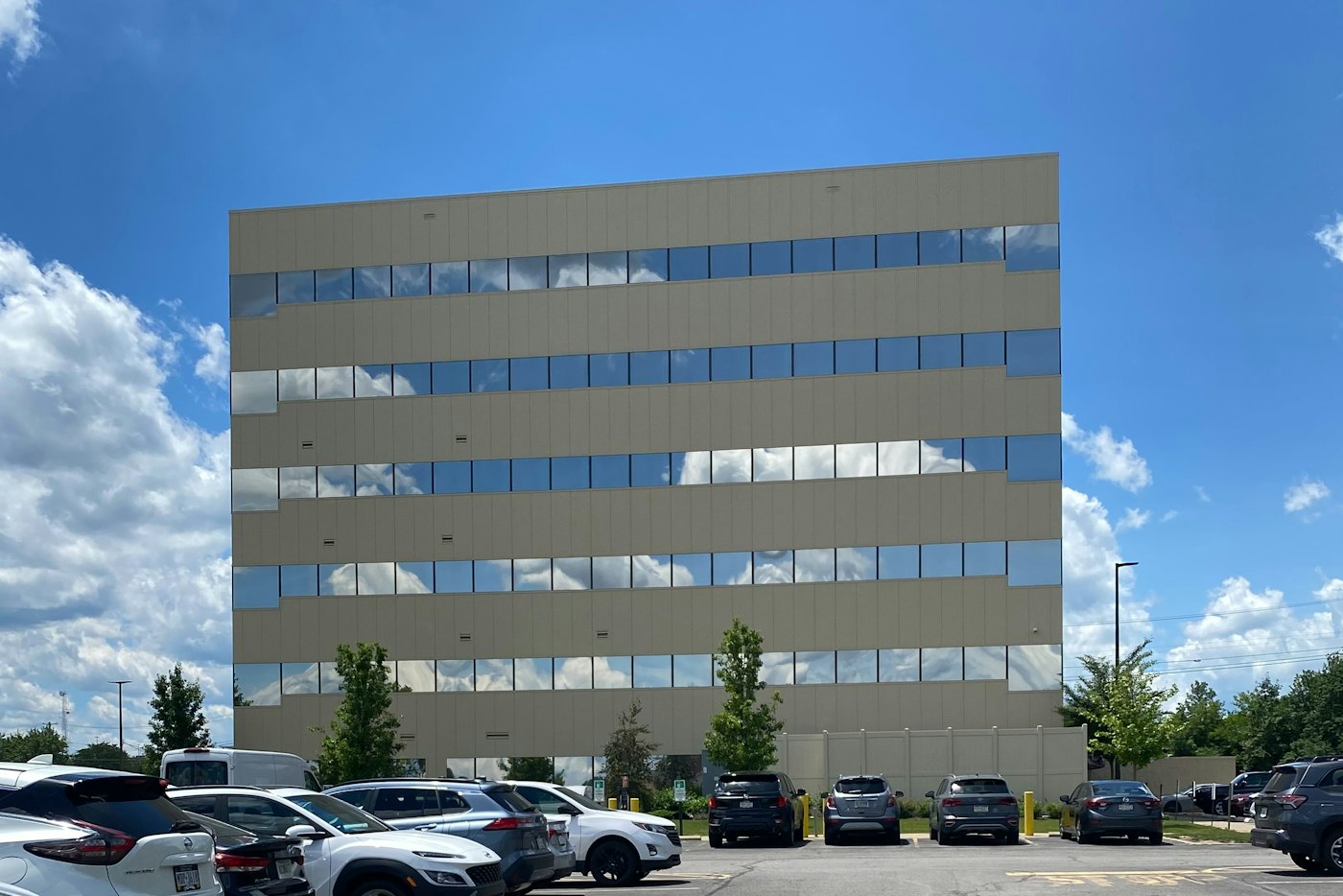
What a gross lease is
Cornell's Legal Information Institute describes a gross lease as a commercial lease where the tenant pays a set rent and the landlord builds taxes, maintenance, and other property expenses into that figure. The tenant writes one check each month. The landlord pays the property tax bill, the building insurance premium, and the cost of running the common areas, and keeps whatever is left.
A full-service gross lease goes one step further. The rent also covers utilities for the tenant's suite and janitorial cleaning, so the tenant pays for almost nothing beyond its own phone, internet, and furniture. Full-service leases are most common in multi-tenant office buildings, where the landlord already runs one heating and cooling system and hires one cleaning crew for every floor.
The landlord's risk is plain. If taxes jump after a reassessment or the insurance premium doubles, the landlord absorbs it for the rest of the term. Landlords price that risk into the rent, which is why gross rents are the highest of the three main structures.
What a modified gross lease is
A modified gross lease sits between gross and triple net. The label has no fixed legal definition, so the lease itself decides what is "modified." Two features show up in most of them.
A cost split, item by item. The lease lists the building's costs and says who pays each. A typical office split: the landlord pays taxes, insurance, and common area maintenance (subject to the base year below), while the tenant pays electricity in its suite and arranges its own janitorial service.
A cap on the landlord's exposure. The landlord carries operating costs only up to a set level. Above that, the tenant pays its pro-rata share, meaning its rentable square footage divided by the building's. The level is set in one of two ways:
- Base year. The building's actual operating costs in a named year, usually the first full calendar year of the lease, become the baseline. In each later year, the tenant pays its share of the amount by which costs exceed the baseline.
- Expense stop. The lease states a fixed dollar figure per square foot. The landlord pays costs up to that figure, and the tenant pays its share of anything above it. The Cornell entry calls this a "stop level" and notes that it blends gross and net features.
The practical difference: a base year floats with what the building actually cost in that year, which the tenant cannot know at signing. An expense stop is a number written in the lease from day one.
Which costs get split, and how
| Cost | Full-service gross | Typical modified gross |
|---|---|---|
| Real estate taxes | Landlord | Landlord up to base year; tenant pays share of increases |
| Building insurance | Landlord | Landlord up to base year; tenant pays share of increases |
| Common area maintenance and repairs | Landlord | Landlord up to base year; tenant pays share of increases |
| Property management fee | Landlord | Usually included in operating costs, often capped |
| Electricity in the suite | Landlord | Tenant, by direct meter, submeter, or a set charge per square foot |
| Janitorial in the suite | Landlord | Tenant, or landlord with costs in the base year |
| After-hours heating and cooling | Tenant, at an hourly rate | Tenant, at an hourly rate |
| Roof, structure, capital replacements | Landlord | Landlord, unless the lease says otherwise |
Electricity deserves a close read. If the suite has its own meter, the tenant pays the utility directly. If it shares a meter, the lease may set a flat electricity charge per square foot or measure use with a submeter. A flat charge is simple but can overcharge a light user, such as a small law office, and undercharge a heavy one, such as a server room.
Worked example: a base year escalation
A tenant leases 4,000 rentable square feet in a 50,000 square foot office building, a pro-rata share of 8%. The lease is modified gross with a 2026 base year. The tenant pays its own suite electricity. In 2026 the building's taxes, insurance, and common area costs total $500,000, or $10.00 per square foot.
| Year | Building operating costs | Increase over 2026 base | Tenant's 8% share | Per sq ft of the suite |
|---|---|---|---|---|
| 2026 (base) | $500,000 | $0 | $0 | $0.00 |
| 2027 | $540,000 | $40,000 | $3,200 | $0.80 |
| 2028 | $575,000 | $75,000 | $6,000 | $1.50 |
| 2029 | $560,000 | $60,000 | $4,800 | $1.20 |
Three things to notice:
- The comparison is always to the base year, not the prior year. In 2028 the tenant pays its share of the full $75,000 increase since 2026, not just the $35,000 rise from 2027.
- The charge can fall. When costs drop in 2029, the tenant's share drops with them. Most leases say the charge never goes below zero, so the tenant gets no credit if costs fall under the base.
- The tenant pays monthly estimates. The landlord typically bills one twelfth of the expected annual excess with each rent payment, then settles up after year end with a reconciliation statement. The mechanics match the reconciliation process described in our triple net lease guide.
The same lease with a $10.50 expense stop instead of a base year works differently. In 2028, costs of $575,000 equal $11.50 per square foot of the building. The tenant pays the $1.00 above the stop on its 4,000 square feet, or $4,000. The stop never moves, so the tenant knows exactly where its exposure starts.
Gross vs. modified gross vs. triple net
| Gross (full-service) | Modified gross | Triple net | |
|---|---|---|---|
| Base rent | Highest | In between | Lowest |
| Taxes, insurance, common area costs | Built into rent | Landlord to base year or stop; tenant pays share above | Tenant pays its share from the first dollar |
| Suite utilities and janitorial | Usually included | Often tenant | Tenant |
| Who bears rising costs | Landlord | Shared | Tenant |
| Annual reconciliation | None | For the costs over the base | For all pass-through costs |
| Typical property | Multi-tenant office, small suites | Multi-tenant office, small retail, flex space | Retail centers, single-tenant buildings |
Cornell defines a triple net lease as one where the tenant pays rent and utilities plus insurance, upkeep, and taxes. The key difference from modified gross is the starting point. A triple net tenant pays its share of every dollar of those costs, while a modified gross tenant pays only the growth above the baseline.
Who each structure suits
- Small office tenants and startups often prefer full-service gross. Budgeting is simple, there are no year-end bills, and a two- or three-year term limits how much rising costs matter to the landlord anyway.
- Established office tenants on longer terms usually end up in modified gross. Landlords in multi-tenant buildings rarely accept the full cost risk over seven or ten years, and a base year keeps the tenant's first-year cost predictable.
- Small retail tenants in strip centers and mixed-use buildings often see modified gross with a separate common area charge, or a gross lease with the tenant paying its own utilities. Larger retail centers tend to lease triple net.
- Landlords in multi-tenant buildings like modified gross because it protects their net income against cost growth without the billing work of full triple net. Single-tenant building owners usually prefer triple net.
What to negotiate in a modified gross lease
- The base year. A tenant wants a year when the building is fully operating and fully assessed. Avoid a year with a tax abatement, a partly built project, or unusually low insurance, or every later year will look like a large increase. If the lease starts mid-year, ask for the following calendar year as the base.
- A gross-up clause. Some costs, like cleaning and utilities in common areas, rise with occupancy. If the building is 60% leased in the base year, the baseline is artificially low. A gross-up clause restates variable costs as if the building were occupied at a stated level, such as 95%, in the base year and every later year, so the comparison is fair.
- A cap on controllable costs. Limit yearly increases in costs the landlord manages, such as repairs and management, to a set percentage. Taxes, insurance, utilities, and snow removal are usually left out of the cap.
- Exclusions. List costs that never belong in operating expenses: the landlord's loan payments, leasing commissions, costs of preparing other tenants' suites, capital improvements (unless spread over their useful life), and repairs covered by insurance.
- Tax reassessment on sale. A sale can trigger a reassessment and a large tax jump. Tenants often ask that the increase caused by a sale during the term be excluded or phased in.
- Audit rights. Get a right to review the landlord's records for a set period after each year-end statement, and a rule that the landlord pays for the audit if it finds an overcharge above a stated percentage.
- Which utilities are separate. Say whether suite electricity is metered, submetered, or charged per square foot, who pays for after-hours heating and cooling and at what hourly rate, and whether janitorial is in the base year or billed separately.
- A base year reset on renewal. Landlords often reset the base year when a renewal option is exercised. That lowers the tenant's escalation charge but usually comes with a higher base rent, so compare both numbers.
State rules to check
Most states treat commercial expense charges as a matter of contract, so the lease language controls. California is the main exception for small tenants. Civil Code § 1950.9, added by SB 1103 for leases signed or renewed on or after January 1, 2025, limits how a landlord can charge qualified small commercial tenants for building operating costs and gives them a right to see supporting documents. It applies to any lease that passes through operating costs, including a modified gross lease with a base year. Our triple net lease guide covers who qualifies and what the landlord must provide.
Frequently asked questions
In a gross lease the landlord pays all building operating costs out of one fixed rent. In a modified gross lease the landlord pays them only up to a base year level or fixed expense stop, and the tenant pays its share of increases above that, plus any items the lease assigns to it, such as suite electricity.
It is a named year, usually the first full calendar year of the term, whose actual operating costs become the baseline. In each later year, the tenant pays its pro-rata share of the amount by which costs exceed that baseline.
An expense stop gives certainty, because the threshold is written in the lease. A base year can be better when the building is fully leased and operating normally in that year, because the baseline reflects real costs. A stop set below actual costs means the tenant pays extra from the first year.
Whoever the lease says. Commonly the tenant pays electricity in its own suite, either directly through its own meter or through a submeter or set charge, while the landlord covers common area utilities as part of operating costs.
Not quite. Full-service gross means the rent also covers suite utilities and janitorial. Some gross leases include taxes and insurance but leave utilities or cleaning to the tenant, and some full-service office leases still include a base year for cost increases.
This guide is general information, not legal advice. Laws change. Check your state's statute and local rules or speak with a local attorney for your situation.
Tags