Renting Out a Parking Space or Garage: The Agreement, Taxes and Towing
How to rent out a parking space, garage or driveway: HOA and lease permission, insurance, towing rules in California, Texas and Florida, and IRS reporting.
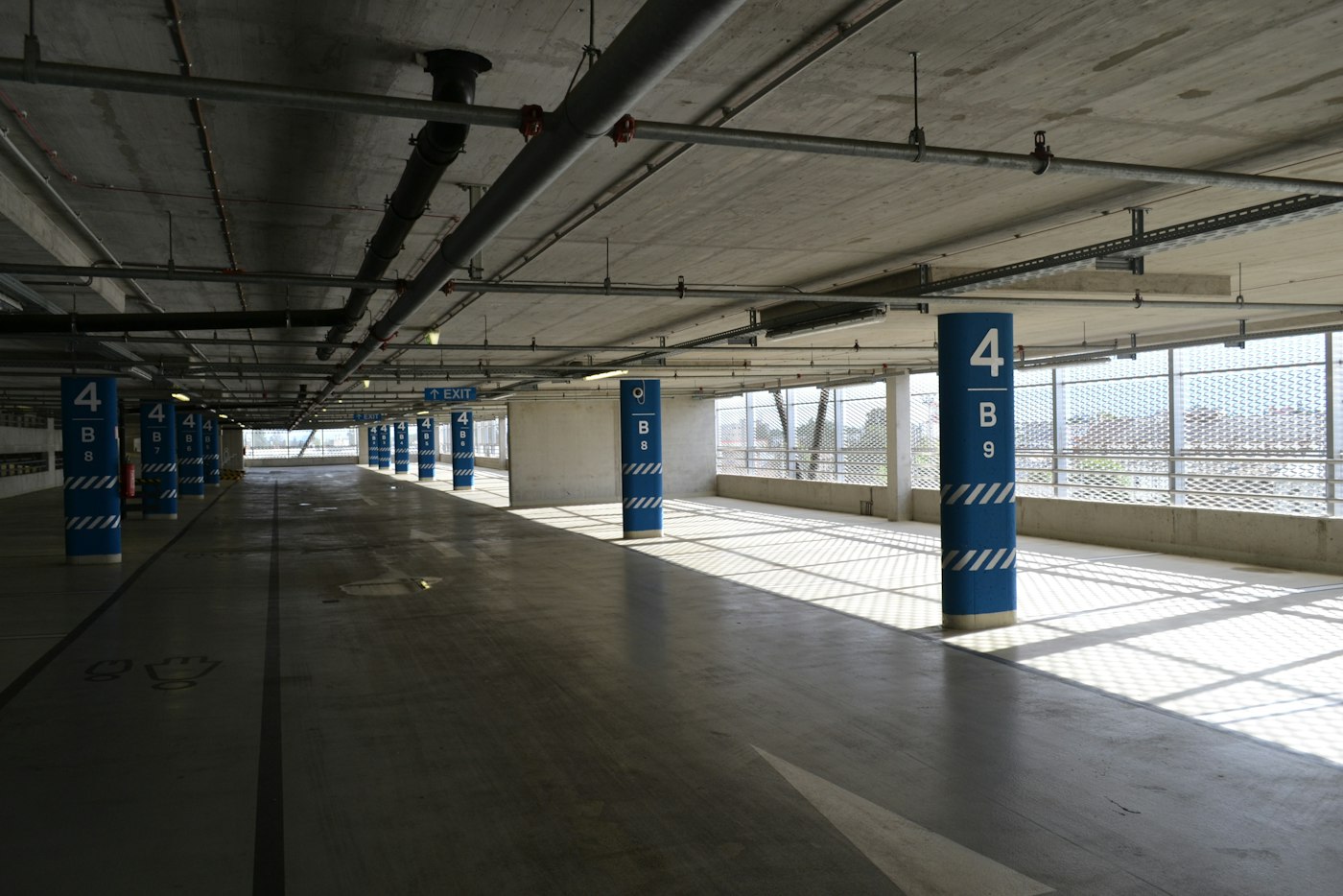
Check your permission before you list the space
The person renting out the space has to have the right to do it. That sounds obvious, but it is where many parking deals fall apart.
- You own the property outright. You generally control the space, subject to local zoning and any deed restrictions.
- You rent your home. A parking spot that comes with an apartment is usually part of the leased premises. Many residential leases forbid subletting any part of the premises without the landlord's consent, so read the sublet clause and get written permission first.
- You live in an HOA or condo. The declaration and rules often limit who may park in the community, require renters to be residents, or call for board approval. A space you own in a condo garage is still subject to those rules.
The LawVault builder asks whether the owner owns, rents or manages the property and whether it sits in an association. When either applies, it adds a clause limiting the renter's rights to the owner's own rights, requires the renter to follow the association's parking rules, records whether permission was given, and lets either side end the deal if the landlord or association objects.
What the agreement should cover
Parking deals are small, so people skip the paperwork. Then the renter fixes a truck in your driveway, loses the garage remote, or finds a stranger's car in the spot they pay for. A short agreement settles each of these in advance.
The builder starts by asking what kind of space you are renting, then adds terms that fit it:
| Space type | Terms the builder adds |
|---|---|
| Parking space | A numbered or assigned space, with an option to move the renter to a comparable space |
| Garage | The renter closes the door each time and keeps household goods out; the owner keeps the rest of the garage |
| Driveway | The renter parks only in the agreed spot and never blocks the sidewalk, the street or the owner's access |
| Lot, carport or covered spot | Suited to buildings with many renters and posted rules |
| RV or boat | The renter confirms the vehicle fits, and no one stays overnight in it |
Every version should also include:
- The parties. Full names and mailing addresses, plus a named signer for a business.
- The space. The street address, the space number and a plain description, such as "the left bay of the detached garage."
- The vehicle. Year, make, model, color and plate, or a rule that any vehicle registered to the renter may park, one at a time.
- Term. Month to month with a notice period, or a fixed term with an end date.
- Rent and deposit. The amount, whether it is monthly, weekly or one-time, how it is paid, the late charge, any grace period and the security deposit.
- Access. The hours of use and the keys, remotes, gate codes or permits handed over, with a replacement charge for a lost one.
- House rules. No repairs, no sleeping in vehicles, no fuel cans, no washing, and whether the renter may charge an electric vehicle and how that power is paid for.
If the parking comes with a home you also rent to the same person, put it in the residential lease agreement instead, because landlord-tenant law may govern the whole arrangement. For a garage that will mostly hold boxes and furniture rather than a car, a storage unit rental agreement fits better.
Liability and insurance
Owners worry most about a renter's car being stolen, scratched or flooded on their property. A lot depends on the contract and on whether the owner ever took control of the car: renting a space while the renter keeps the keys is very different from a valet who holds them.
Our agreement says the owner does not take custody of the vehicle and is not responsible for theft of or damage to it. That protection never excuses the owner's gross negligence or willful misconduct, and it gives way to any state rule that does not allow a liability to be limited.
The risk also runs the other way. An oil leak can stain a new driveway, and a car rolling into a garage door can cost thousands. The builder lets you require the renter to insure the vehicle and to cover claims and damage it causes.
Two practical steps on the owner's side:
- Call your homeowners' or renters' insurer and ask whether renting the space to someone outside your household changes your coverage.
- Photograph the space on the first day, including any existing cracks or stains, and keep the photos with the signed agreement.
Towing rules: follow the statute before you call a tow truck
Towing is where state law steps in. States regulate removing a vehicle from private property without its owner's consent, cities often add rules, and three large states show how much the details differ.
| State | When a vehicle may be towed from private property | Other duties |
|---|---|---|
| California | Signs at every entrance at least 17 by 22 inches with one-inch letters, naming the local police number and the towing companies; or a parking violation notice and 96 hours; or a lot with a single-family home; or certain inoperable vehicles after notice to police and 24 hours | The property owner must notify local police within one hour after authorizing the tow, and the tow company needs the owner's written authorization first |
| Texas | Compliant signs posted at the time of the tow and for the 24 hours before; or actual notice to the vehicle's owner or operator; or a windshield notice followed by a certified letter giving 15 days | Both the windshield notice and the letter must list a phone number answered 24 hours a day |
| Florida | Tow-away signs at each driveway, in place at least 24 hours before towing; no signs needed on property that is plainly part of a single-family residence, or when the vehicle's owner was personally told the area is reserved | The towing firm must report the tow to police within 30 minutes, and storage generally must be within 10 or 15 miles depending on county size |
Sources: Cal. Veh. Code § 22658, Tex. Occ. Code § 2308.252, Fla. Stat. § 715.07.
One California detail catches owners out. Section 22658(l) bars a tow company from removing a vehicle without written authorization from the property owner or lessee, or their agent, who must be present at the removal and verify the violation, with a narrow exception for residential rentals of 15 or fewer units with no onsite staff. For a homeowner renting half a driveway, the single-family exceptions in California and Florida may remove the sign requirement, but not the other duties. Check your city code too.
Our agreement prints a towing note for California, Texas or Florida and a general towing sentence for other states. It also says the owner has no lien on the renter's car and will not keep, sell, boot or block it in to force payment. Unpaid rent is collected like any other debt, from the deposit or in small claims court. The builder also asks how a vehicle left behind after the agreement ends will be handled.
Taxes on parking rent
Rent from a parking space is taxable income. The IRS explains in Topic 414, Rental income and expenses, that rental income includes cash or the fair market value of anything you receive for the use of real estate, and that rental real estate is generally reported on Schedule E (Form 1040).
The same IRS page covers the timing rules owners trip over:
- Advance rent is income in the year you receive it, whatever period it covers.
- A security deposit you may have to return is not income. If you keep it because the renter leaves early, it becomes income that year.
- A deposit applied to the final month's rent is advance rent.
- Expenses the renter pays for you count as rental income.
If you provide substantial services primarily for the renter's convenience, the IRS says the activity belongs on Schedule C instead. The Schedule E instructions note that basics like heat, light, trash collection and cleaning public areas do not count as significant services. A plain parking space usually involves none of this, but a valet or car-washing operation might.
You can deduct expenses tied to the rental, but only the share that belongs to it. The Schedule E instructions say that if you rent only part of your home, you deduct the portion of expenses that applies to the rented part.
Worked example. You rent half your driveway for $150 a month starting in February, with a $150 deposit. In December, the renter pays January through March of next year in advance. Your rental income for the year is $1,650 for February through December plus $450 of advance rent, $2,100 in all. The deposit is not income unless you keep it. If you spent $120 on a "reserved" sign and a lockable post for the space, that cost relates only to the rental.
Tax rules for small rentals can get detailed, so ask a tax preparer how your situation fits, especially if you also use the space yourself.
Mistakes to avoid
- Renting a space you do not control. Get the landlord's or association's permission in writing first.
- Leaving out the vehicle description. Without a plate, you cannot tell your renter's car from a stranger's.
- Holding the car hostage. Keeping, booting or blocking in a renter's vehicle to collect rent can create far bigger problems than the unpaid rent.
- Calling a tow truck on instinct. Read your state statute and city code first, every time.
- Forgetting the remote. List every key, code and permit you hand over, and the charge for a lost one.
- Skipping the tax side. Advance rent and kept deposits are income in the year you receive or keep them.
How to sign it
Both sides sign and date the agreement before the first car parks. Our guide to e-signatures, linked below, explains when signing online counts. Give the renter a copy along with the access devices, and keep yours with the day-one photos.
Before anyone signs:
- Confirm you own the space, or have written permission from your landlord or association
- Describe the space precisely and attach a photo
- Record the vehicle and plate, or the rule for any registered vehicle
- Set the term, rent, payment method, late charge and deposit
- List access hours and every key, remote or code handed over
- Set the house rules and electric vehicle charging terms
- Decide the insurance and indemnity terms
- Read your state's towing statute and your city code
- Agree how a vehicle left behind will be handled
- Plan to report the rent on your tax return
Frequently asked questions
Only if your lease allows it. A space assigned with an apartment is usually part of the leased premises, and many leases forbid subletting any part of them without the landlord’s consent. Get permission in writing before you sign anything with a renter.
It depends mostly on your agreement and on whether you took control of the car. Our agreement says the owner takes no custody of the vehicle and is not responsible for theft or damage, but that never covers the owner’s gross negligence or willful misconduct. Ask your own insurer how a rental affects your coverage.
Usually, but only by following your state and city towing rules. California Vehicle Code section 22658 requires posted signs, a violation notice and 96 hours, or a single-family lot, plus a call to police within one hour of authorizing the tow. Texas and Florida have their own sign and notice rules.
The IRS generally treats rent for the use of real estate as rental income reported on Schedule E. Advance rent counts in the year you receive it, and a deposit becomes income only if you keep it. If you provide substantial services, such as valet parking, the income may belong on Schedule C.
This guide is general information, not legal advice. Laws change. Check your state's statute and local rules or speak with a local attorney for your situation.
Tags