Equipment Lease Agreement: How Leasing Business Equipment Works
Equipment lease agreements explained: true lease vs. disguised sale under UCC 1-203, $1 and FMV buyouts, maintenance, insurance, risk of loss and Section 179.
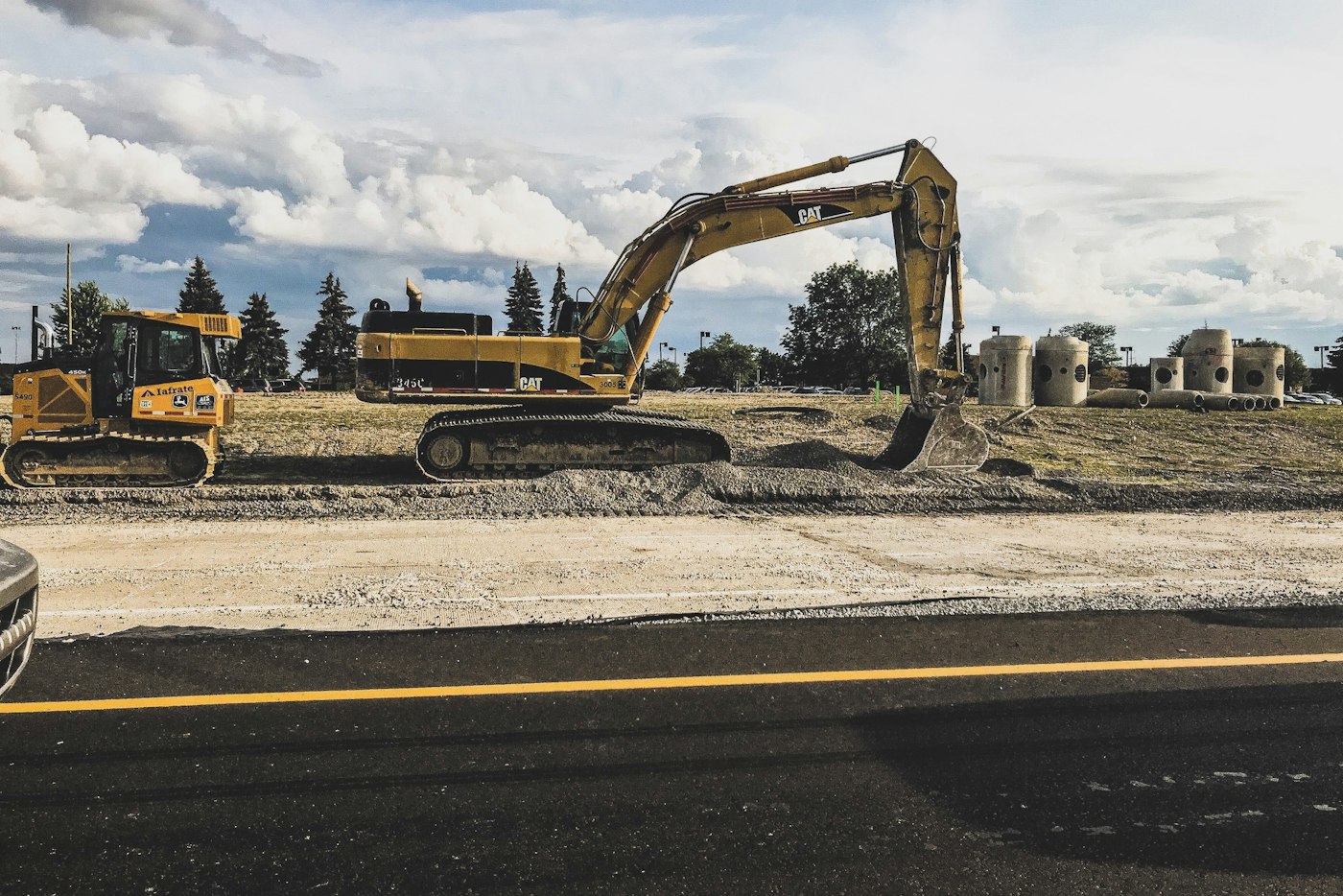
How an equipment lease works
Picture a landscaping company that needs a compact track loader for three busy seasons. Buying one would tie up $60,000. Instead, it leases the loader from a dealer for 36 months at $1,850 a month. The dealer still owns the machine. The landscaper has it on its job sites, keeps it serviced, insures it and returns it at the end, or buys it if the lease gives that option.
Leases of goods like this fall under Article 2A of the Uniform Commercial Code (UCC), as your state has enacted it. Article 2A fills in default rules on warranties, risk of loss and remedies when the lease says nothing. A written lease lets the parties pick their own rules instead: exactly which items were leased, who fixes them, who pays when one is stolen, and what the lessee may do when the term runs out.
True lease or disguised sale under UCC 1-203
The single most important legal question about an equipment lease is whether it is a lease at all. Calling a document a lease does not settle it. UCC section 1-203 says the answer depends on the facts of each case, and then gives a bright-line test.
A transaction is a security interest, meaning a sale with the seller keeping a lien, if the lessee cannot end its payment obligation during the term and at least one of these is true:
- The original term is equal to or longer than the equipment's remaining economic life.
- The lessee must renew for the rest of that life, or must become the owner.
- The lessee may renew for the rest of that life for no or nominal extra payment.
- The lessee may buy the equipment for no or nominal extra payment.
Section 1-203 also lists terms that do not, by themselves, turn a lease into a sale. These include the lessee carrying the risk of loss, the lessee paying taxes, insurance, filing fees or maintenance, and payments that add up to roughly the equipment's value. A renewal or purchase option at a fixed price that is equal to or above the predictable fair market value at the time of exercise is also fine on its own.
What counts as nominal
Under section 1-203(d), an option price is nominal if it is less than what the lessee could reasonably expect it would cost to perform under the lease if it did not exercise the option, such as the cost of returning the equipment. A price stated as fair market value, set when the option is exercised, is never nominal. Section 1-203(e) says these values are judged by the facts at signing, not at the end.
Worked example. Back to the loader. If the lease lets the landscaper buy the machine for $1 after 36 payments, and shipping it back to the dealer would cost $1,200, the $1 option is nominal. The lease is a security interest. If the option is "purchase at fair market value at the end of the term," it is not nominal by definition, and that option alone does not change the lease's character.
Why the label matters
If a lease is really a sale on credit, the lessor is a secured creditor rather than an owner, and its rights against the lessee's other creditors depend on perfecting that security interest, usually by filing a UCC-1 financing statement. UCC section 9-505 lets a lessor file a precautionary financing statement using the words "lessor" and "lessee." The filing is not itself evidence that the deal is a sale, and if a court later decides it was, the lessor's interest is already perfected. That is why many lessors file one anyway.
End-of-term options: $1 buyout vs. fair market value
The end-of-term option is where the true lease question is usually won or lost.
| End-of-term option | What the lessee pays at the end | How UCC 1-203 treats it | Who it tends to suit |
|---|---|---|---|
| $1 or other nominal buyout | A token amount | Security interest (a sale on credit) if the lease cannot be cancelled | A lessee that wants to own the equipment and treats the payments as financing |
| Fair market value purchase | The equipment's market value when the option is used | Not nominal; does not create a security interest on its own | A lessee that wants flexibility to buy, return or upgrade |
| Fixed price set at signing | A stated amount, such as $9,000 | Depends on how the price compares with predictable value and the cost of returning it | Parties that want certainty about the buyout figure |
| Renew or return | Further rent, or nothing | Generally a true lease, unless the renewal runs for the rest of the equipment's life for a nominal rent | Equipment that becomes outdated, such as copiers and servers |
The LawVault builder offers renewal and purchase options at fair market value, a fixed price or a nominal price, with a notice period. When you choose a nominal price, the lease says the deal may be treated as a security interest, grants a backup security interest and authorizes a UCC filing. For other leases, you can choose whether to allow a precautionary filing.
Maintenance, warranties and risk of loss
Maintenance
Decide who services the equipment and who pays for repairs. A common split puts routine service on the lessee, measured against the manufacturer's maintenance schedule, and leaves major repairs to the lessor. Record the hour meter or odometer at delivery and at return, and photograph the equipment both times. Those two numbers and a few dated photos settle most return-condition arguments.
Warranties
A lessor that wants to lease equipment "as is" has to say so the right way. Under UCC section 2A-214, excluding the implied warranty of merchantability takes a written, conspicuous statement that mentions merchantability, and excluding fitness for a particular purpose also needs a conspicuous writing. Conspicuous "as is" or "with all faults" language excludes implied warranties generally. The LawVault template prints its disclaimer in bold capitals that name both merchantability and fitness for a particular purpose.
Risk of loss
If a leased excavator is stolen from a job site, someone has to pay for it. UCC section 2A-219 sets the default: in an ordinary lease, the risk of loss stays with the lessor. In a finance lease, where the lessor buys equipment the lessee picked from a supplier just to lease it, the risk passes to the lessee. Many commercial leases do not rely on the default. They shift the risk to the lessee and set a stated value for each item, which is what the lessee owes if the item is lost or destroyed. The builder adds up the stated values from the equipment schedule for you.
Insurance
Match the insurance clause to the risk-of-loss clause. If the lessee bears the loss, it should carry property coverage for at least the stated value and liability coverage for injuries the equipment causes. Lessors commonly ask to be named on the policies and to receive a certificate of insurance before delivery.
Taxes and Section 179 basics
The lease should say who pays sales or use tax on the rent, personal property tax on the equipment and vehicle registration fees. These rules vary by state, so check with your state revenue department. Under section 1-203(c), the lessee paying them does not by itself make the lease a sale.
Who owns it for income tax
Income tax has its own test, separate from the UCC. In its Farmer's Tax Guide, IRS Publication 225 lists signs that a "lease" is really a conditional sales contract, such as these: part of each payment builds equity, title passes after a set number of payments, the payments are well above fair rental value, the purchase option is nominal compared with the equipment's value or the total payments, or part of each payment is labeled or easily read as interest. If the agreement is a conditional sale, the IRS says not to deduct the payments as rent; the lessee capitalizes the cost and recovers it through depreciation, and can deduct interest and other expenses separately.
According to IRS Publication 946, you can depreciate leased property only if you keep the incidents of ownership. In a true lease, that is the lessor.
| True lease | Conditional sale | |
|---|---|---|
| Who owns it for tax purposes | Lessor | Lessee |
| Lessee's payments | Rent | Purchase price plus interest; only the interest and other charges are deducted as expenses |
| Who may depreciate it | Lessor | Lessee |
Section 179 in brief
Section 179 lets a business elect to deduct the cost of qualifying equipment in the year it is placed in service instead of depreciating it over several years. Publication 946 sets these points:
- For tax years beginning in 2026, the maximum deduction is $2,560,000, reduced once qualifying property placed in service that year exceeds $4,090,000.
- The deduction is limited to taxable income from the active conduct of a trade or business, and any excess carries forward.
- Property used for both business and personal purposes qualifies only if business use is more than 50%.
- You elect it in Part I of Form 4562.
- A lessor that is not a corporation generally cannot take Section 179 on property it leases to others, unless it manufactured the property or meets two tests: the lease term, including renewals, is less than 50% of the property's class life, and its business deductions on the property in the first 12 months exceed 15% of the rental income.
A lessee in a true lease does not own the equipment and so has nothing to expense under Section 179. Tax treatment is fact-specific, so run any buyout structure past an accountant before you sign.
Equipment lease checklist
Before signing:
- Name the lessor and lessee with full legal names and addresses, and the person signing for each business.
- List each item with make, model, serial number or VIN and a stated value.
- Set the term: a fixed end date, or month to month with a notice period.
- Write the rent, payment frequency, first due date, late charge and any security deposit.
- Say who delivers, who pays transport, and how the equipment is inspected at delivery and return.
- Limit where the equipment is kept, who operates it and any hour or mileage caps.
- Assign maintenance and repairs, and state any warranty or "as is" disclaimer clearly.
- Decide who bears the risk of loss and what insurance the lessee carries.
- Allocate sales, use and property taxes.
- Choose the end-of-term options and check them against the 1-203 test.
- Decide whether to file a UCC-1 financing statement.
- Set the cure period for missed payments, the lessor's remedies and how disputes are resolved.
How to sign it
An equipment lease does not usually need a notary. It binds the parties once both sign, and the LawVault template supports electronic signatures. For vehicles, a lender or titling office may ask for its own paperwork. Keep the signed lease with the equipment schedule, the delivery photos and the insurance certificates, and diary the deadline for any renewal or purchase notice.
If the deal is an outright transfer of ownership today, use a bill of sale instead. For a short rental where the main worry is injury or damage claims, a hold harmless agreement is lighter. And if the lessee also needs the building the equipment sits in, pair this lease with a commercial lease agreement.
Frequently asked questions
Usually not, legally. Under UCC section 1-203, a lease the lessee cannot cancel is a security interest if the lessee may buy the equipment for no or nominal extra money. The lessor is then a secured creditor, and the IRS may also treat the deal as a purchase.
Whoever the lease names. If an ordinary lease is silent, UCC section 2A-219 leaves the risk with the lessor; in a finance lease it passes to the lessee. Most commercial leases put the risk on the lessee and set a stated value it pays for a lost item.
Not as the lessee in a true lease, because you do not own the equipment. If the agreement is really a conditional sale, the lessee may be the tax owner. Noncorporate lessors face extra limits under IRS Publication 946. Ask an accountant before relying on either.
Many do. UCC section 9-505 allows a precautionary filing using the terms lessor and lessee, the filing alone does not make the deal a sale, and if a court later treats it as one, the lessor’s interest is already perfected.
Usually not. It is binding once both parties sign, on paper or electronically. A lender or titling office may want extra paperwork for vehicles.
This guide is general information, not legal advice. Laws change. Check your state's statute and local rules or speak with a local attorney for your situation.
Tags